Everyday health, home cooking
Good food, healthy teeth, easier days
Simple recipes, dental routines and everyday wellbeing guides from a small team of home cooks, written so you can try something useful today.
On the list this week
| M | T | W | T | F | S | S |
|---|---|---|---|---|---|---|
| 1 | 2 | 3 | 4 | |||
| 5 | 6 | 7 | 8 | 9 | 10 | 11 |
| 12 | 13 | 14 | 15 | 16 | 17 | 18 |
| 19 | 20 | 21 | 22 | 23 | 24 | 25 |
| 26 | 27 | 28 | 29 | 30 | 31 |
Browse by subject
One line per subject, one stroke per guide.
- Health 25 Newest guide How to Brush a Toddler's Teeth (Without a Nightly Wrestling Match)
- Food 13 Newest guide How to Make Chia Pudding (One Ratio, Many Flavours)
- Lifestyle 6 Newest guide Games for Seniors: Card Games, Board Games and Puzzles Worth Setting Up
- Entertainment 4 Newest guide Potluck Ideas: Dishes That Travel Well and Feed a Crowd
- News 4 Newest guide National Dental Hygiene Month: A Four-Week Reset for Your Teeth
Our pick this weekHealth
How Serine Protease Antibodies Support Breakthrough Scientific Discoveries
2 min
Every time a small cut stops bleeding, a family of enzymes called serine proteases has been at work. These proteins act like molecular scissors, snipping other proteins at precise points to switch processes on or off. They help blood to clot, food to be digested and the immune system to respond to threats. Because they are so involved in everyday biology, they also turn up whenever something goes wrong, which is why researchers spend so much effort studying them.
What makes these enzymes special
The family takes its name from one amino acid, serine, which sits in the pocket where each cut is made. Familiar members include trypsin in the gut and thrombin in the clotting cascade. In a healthy body their activity is kept in check: many are made in an inactive form and only switched on when needed, and natural inhibitors stand ready to shut them down again. When that balance tips, the consequences can range from excessive bleeding or clotting to inflammation that damages tissue. Scientists studying cancer, immune disorders, infections and brain diseases all keep an eye on this enzyme family for that reason.
Why antibodies are the tool of choice
To study a protein, you first need a reliable way to find it. Antibodies are proteins that recognise and bind one specific target, and researchers use them as highly selective probes. Well-characterised serine protease antibodies let laboratories pick out a single enzyme among many close relatives, which is valuable because members of this family often look structurally alike. Some antibodies can even tell the inactive precursor form apart from the active enzyme, giving a clearer picture of what is actually happening in a sample.
Common laboratory methods
The same antibody can serve several techniques, each answering a slightly different question:
| Method | What it shows |
|---|---|
| Western blotting | Whether a protein is present in a sample and roughly how large it is |
| ELISA | How much of a protein is in blood, fluid or cell samples |
| Immunohistochemistry | Where in a tissue section the enzyme sits |
| Immunofluorescence | Its location inside individual cells, often alongside other markers |
| Flow cytometry | Which cell types carry the protein on their surface |
From the bench to better understanding
Findings built on these tools feed into many areas: understanding how tumours spread, how clotting disorders arise, how infections take hold and how inflammation is controlled. Some results eventually inform the search for diagnostic markers or new treatments, although that path is long and involves many stages of testing. Good results depend on careful validation, so laboratories check that an antibody binds only its intended target, use proper controls and repeat experiments before drawing conclusions.
For readers outside the lab, the takeaway is simple. Much of modern medical knowledge rests on patient, detailed work with tools like these. If you have questions about a clotting or immune condition that affects you, your doctor is the right person to explain what current research means for your own care.
Our pick this weekHealth
Enhancing Patient Experience: The Role of Digital Signage in Healthcare
2 min
Think back to the last time you sat in a hospital corridor waiting for your name. You probably wondered how long it would take, whether you were in the right place and what would happen next. Small uncertainties like these add to the stress of a visit, and that is where well-placed screens can help. Used thoughtfully, digital signage turns a waiting area into somewhere people feel informed rather than forgotten.
Clear directions from the front door onwards
Large buildings with several wings and floors can confuse anyone, especially someone who is unwell or anxious. Screens at entrances, lift lobbies and junctions can show maps, department names and walking routes that are easy to update when a clinic moves or a corridor is closed for work. A bright, high-resolution digital screen display is far easier to read than a crowded noticeboard, and it can switch languages or show larger text at different times of the day. Fewer people stopping to ask for directions also means reception teams can focus on those who need personal help.
Waiting rooms that feel calmer
Information is one of the best antidotes to waiting-room tension. Screens can show queue numbers, general expected waiting times or simple messages such as "the clinic is running about twenty minutes late today". Between those updates, gentle content keeps people occupied:
- short, practical health tips about hydration, sleep or hand hygiene;
- information about services the patient may not know exist, such as physiotherapy or support groups;
- seasonal reminders, for example about vaccination clinics;
- calming nature footage or local photography.
Content should stay general. Screens are not a substitute for a conversation with a doctor or nurse, and good systems say so.
Keeping staff on the same page
Signage is not only for patients. In staff areas, screens can display shift changes, training sessions, infection-control reminders and important notices without anyone needing to check their inbox between appointments. In busy departments, a simple dashboard showing which rooms are free or which patients are ready to be seen can make handovers smoother. Messages can be changed centrally in minutes, so everyone sees the same, current information.
Safety messages when they matter most
Because screens are connected, they can switch instantly to urgent instructions during a fire alarm, a lockdown or severe weather. Clear evacuation routes and short instructions help visitors who do not know the building. It is worth testing these emergency templates regularly, just as you would test the alarms themselves.
Planning a system that works
Before installing hardware, map where people actually get stuck or worried in your building. Decide who will write and approve content, how often it will be refreshed and how patient privacy will be protected; names and personal details should never appear on public screens. Choose displays bright enough for sunny entrances and accessible to people with low vision, with captions on any video. Collect feedback from patients and staff after a few months and adjust. With that groundwork in place, screens become a quiet, helpful part of the care a clinic offers.
Our pick this weekHealth
Which benefits of vaping eliquids versus smoking cigarettes are you likely to enjoy?
3 min
For an adult who smokes and has tried to stop more than once, the idea of switching to an e-liquid device often comes up sooner or later. A vape still carries risks of its own, and it has no place in the life of someone who has never smoked. For people who do, though, swapping cigarettes for a vape can change daily life in ways that are easy to underestimate until they happen.
Coming back in from the doorway
Ask long-term smokers what they disliked most, and many will mention the shuffle outside. Leaving the table at a family meal, missing part of a conversation at the pub, standing in the rain at a work party while everyone else stays warm. Cigarette smoke is restricted almost everywhere indoors, and the habit can feel isolating as fewer friends smoke. Vaping rules still apply in many venues, so it is always worth checking, but the general atmosphere around a discreet device tends to be less awkward. For a lot of switchers, feeling part of the group again is one of the first welcome changes.
A home that smells like home again
Tobacco smoke clings to curtains, car seats, coats and hair. Smokers often stop noticing it, yet visitors pick it up the moment the door opens. After the switch, many people describe a slow but satisfying shift: washing that comes out smelling of detergent, a car that no longer needs an air freshener, a sofa guests are happy to sink into. Those smaller wins add up, especially for anyone who has felt self-conscious about the smell for years.
What changes in the weekly budget
Cigarettes are expensive and the cost recurs relentlessly. E-liquid bottles and replacement coils still cost money, and prices vary with the device and the nicotine strength chosen, so nobody should expect it to be free. Still, many former smokers find their spending drops once they settle into a routine. Keeping a simple note of what used to go on cigarettes and what now goes on liquid makes the difference visible, and some people enjoy putting the gap towards something they have wanted for a while.
Choosing a reliable shop matters as much as the device. UK retailers such as eliquiduk.com offer a wide range of flavours and nicotine strengths in one place, which makes it easier for a new switcher to find a liquid they actually enjoy and stick with it.
Breathing, stairs and getting about
Smoke from burning tobacco contains tar and many other substances that vapour does not, which is a large part of why health bodies see switching as a less harmful option for adults who would otherwise keep smoking. Some former smokers say they notice their breathing on stairs or during a brisk walk feels different after a while. Experiences vary from person to person, and vapour is still something going into the lungs, so the long-term picture continues to be studied.
Making the switch thoughtfully
- Talk to your GP, pharmacist or a local stop-smoking service; they can advise on vaping alongside other support.
- Pick a nicotine strength that keeps cravings away, so the pull of a cigarette stays weak.
- Store bottles where little hands and curious animals cannot get at them, and never offer the device to a non-smoker.
- Treat vaping as a step away from tobacco. Many people later reduce their nicotine level gradually, and some stop altogether.
Nicotine remains addictive whichever way it is taken. The aim is to leave burning tobacco behind for good, and for many adult smokers a well-chosen e-liquid is the tool that finally makes that possible.
Four habits that hold the week together
Nothing fancy here. These are the small routines our guides keep circling back to.
-
Cook once, enjoy it twice
A pot of grains or a jar of oats made ahead turns tomorrow's rushed meal into a calm one.
-
Mind the gaps
Brushing reaches most of each tooth; a minute of cleaning between them looks after the rest.
-
Move between the chores
A walk to the shop, the stairs instead of the lift, a stretch while the kettle boils. It all counts.
-
Switch off on purpose
An unhurried evening and a regular bedtime make every other good intention easier to keep.
Kitchen and bathroom words
Terms you will meet in our guides
Short, plain definitions for words that turn up again and again across the site.
- Plaque
- The soft, sticky film that builds up on teeth through the day and is removed by brushing and cleaning between teeth.
- Interdental cleaning
- Cleaning the tight spaces between teeth with floss, tape, small brushes or a water flosser.
- Gumline
- The edge where the gum meets the tooth, a spot that is easy to miss when brushing in a hurry.
- Batch cooking
- Making a larger amount of one dish or ingredient at once, then portioning it for the days ahead.
- Rolled oats
- Oat grains that have been steamed and flattened, so they soften quickly in milk, water or yoghurt.
- Gentle simmer
- Liquid kept just below the boil, with small bubbles breaking the surface now and then rather than a rolling boil.
Second thoughts
Everyday beliefs worth a second look
A few ideas we hear often, set next to a more balanced view. If one of them affects you personally, your doctor or dentist is the best person to ask.
-
The claimIf your gums bleed when you floss, you should stop.
FactTender gums are common when you restart after a break. If bleeding carries on or gets worse, book a dental visit instead of giving up.
-
The claimCooking healthy food at home takes hours.
FactMany staples need only a few minutes of hands-on time. The pan or the fridge does most of the work.
-
The claimHot water is the best way to clean a retainer.
FactHeat can warp plastic appliances. Cool or lukewarm water and a mild soap are much kinder to them.
-
The claimExercise only counts if it leaves you exhausted.
FactRegular, moderate movement you enjoy is far easier to keep up than punishing sessions you dread.
Pin it inside a cupboard door
Your week of small, kind habits
Put a mark in the box on the days you manage each one. Gaps are fine; it is a mirror, not a test.
| Habit | Mon | Tue | Wed | Thu | Fri | Sat | Sun |
|---|---|---|---|---|---|---|---|
| Cleaned between my teeth | |||||||
| Cooked one meal from scratch | |||||||
| Got outside for a walk | |||||||
| Prepared tomorrow's breakfast | |||||||
| Checked in on someone I care for |
Change any line to suit your own life. If a habit feels difficult because of pain or a health condition, mention it to your doctor or dentist.
Fresh from the kitchen table
37 articles
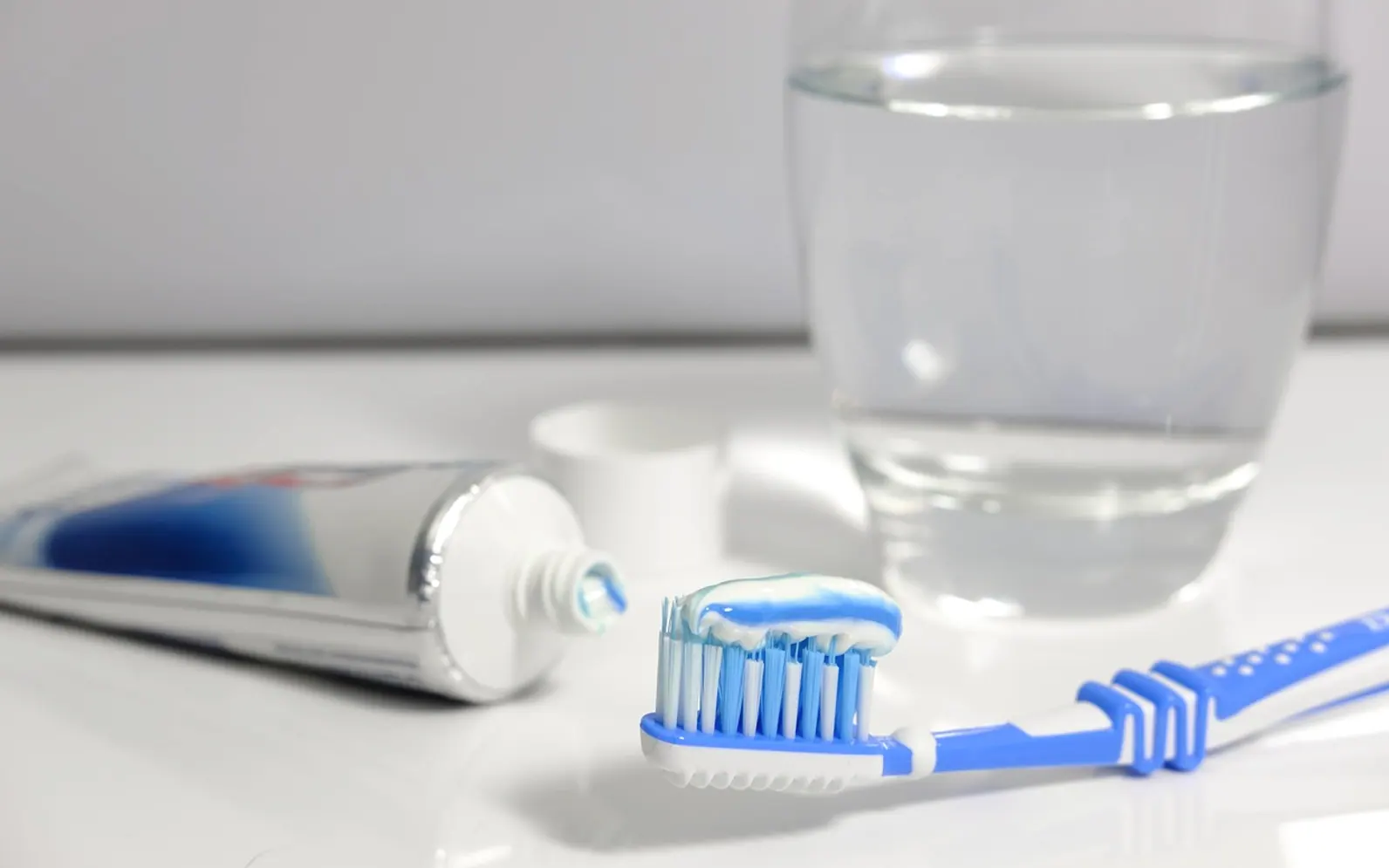
How to Brush a Toddler's Teeth (Without a Nightly Wrestling Match)
Little teeth need brushing twice a day, and little people often have other plans. A smear of toothpaste, a good position and a bit of play make the job far…
4 min


How to Organize a Fridge So Food Keeps Longer
Every part of a fridge runs at a slightly different temperature. Put food where it suits best, keep raw meat low and leftovers in sight, and less ends up in…
4 min